Timing Is One of the Most Underestimated Decisions in Pre-Wedding Photography
Most couples spend considerable time choosing locations and outfits, yet underestimate how profoundly the time of day shapes the mood of the entire photo set. Light changes dramatically from hour to hour, and the quality of that light determines whether your photos feel airy and fresh, cinematic and warm, or dramatic and glamorous.
Three shooting windows dominate pre-wedding photography: early morning, golden hour, and night. Each has a distinct aesthetic and a distinct set of practical considerations. Here is a detailed comparison to help you choose with confidence.
Early Morning: Quiet, Pure, and Uninterrupted
Morning shoots typically run from sunrise until around 9am. The light at this hour is soft, low-angled, and often carries a faint atmospheric haze that creates a delicate, almost dreamlike quality. Colour temperature ranges from cool peach-pink at the moment of sunrise to a warm golden tone once the sun has climbed slightly.
The most underrated advantage of shooting early is access. Singapore's popular outdoor locations, parks, and heritage streets are largely empty before the tourist and weekend crowd arrives. Your photographer can compose frames freely without waiting for passers-by, and the quiet atmosphere comes through in the images themselves.
Morning light suits these styles best: Japanese minimalist, film-inspired, botanical garden, and soft romantic. Lightweight white gowns and flowy chiffon dresses photograph beautifully at this hour, with fabric movement and delicate details catching the early directional light.
The main challenge is logistics. An early shoot typically means being in full hair, makeup, and gown by 5.30 to 6am. Rest the night before; fatigue genuinely shows in photographs.
Golden Hour: The Universally Flattering Window
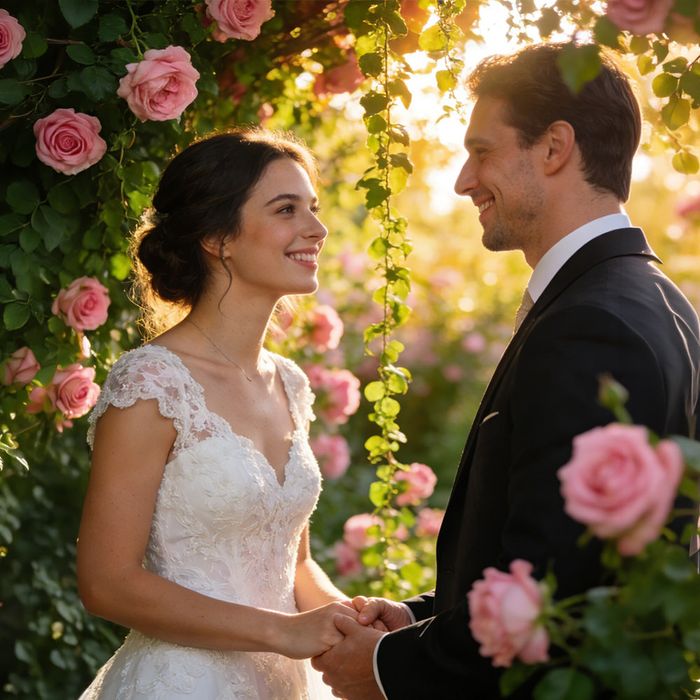
The hour before sunset, sometimes extending to two hours, is known as golden hour for good reason. The combination of warm orange-amber colour, low angle, and soft directionality produces the most consistently flattering natural light available to photographers.
At this angle, light wraps around facial contours rather than creating harsh shadows. Fabric textures, lace embroidery, and stone-set jewellery all catch and reflect this golden quality in ways that midday light simply cannot produce. The sky itself becomes a graduated backdrop ranging from deep cobalt to amber and rose.
Open settings work best at golden hour: beachfronts, open fields, architectural rooftops, and elevated viewpoints allow the sky gradient to play a full role in composition. The Wedding Planning Checklist is useful for aligning your shoot timing with the rest of your wedding preparation schedule.
Golden hour suits these styles: romantic cinematic, European editorial, warm vintage, and dramatic backlit silhouettes. If you have ever admired that deep warm glow in a wedding photo where the sun sits just behind the couple, that is golden hour at work.
The critical constraint: the usable window is narrow. True golden light often lasts only 30 to 60 minutes. Arrive at your outdoor location before this window opens, with outfit changes and travel completed, so you spend that time shooting rather than transitioning.
Night Shoots: Glamour, Drama, and Urban Magic
Night pre-wedding photography has grown substantially in popularity, and Singapore's cityscape provides exceptional raw material. Marina Bay, Clarke Quay, Orchard Road, and the heritage streets of Chinatown and Kampong Glam all offer rich, layered light environments that daytime cannot replicate.
Night shoots rely on ambient artificial light (city lights, neon signs, street lamps, heritage shophouse lanterns) supplemented by off-camera flash or LED panels. The resulting images carry a dramatically different mood: cool-toned and editorial, or warmly glowing and theatrical depending on the light source mix.
Night shoots suit these styles: urban fashion, cinematic drama, black-tie glamour. Rich evening gowns, sequinned fabrics, and structured silhouettes all photograph with particular impact in artificial light. Bridal makeup can be deepened slightly for night shooting to maintain definition under flash lighting.
Technical requirements are higher at night. Your photographer needs experience with mixed-light situations, off-camera flash control, and typically a tripod for certain compositions. Ask to see their night shoot portfolio specifically before confirming this approach. For prop ideas that work especially well after dark, this wedding prop guide includes lantern and candle suggestions that create beautiful warmth at night.
Comparison at a Glance
| Time | Light Character | Best Style Match | Key Challenge |
|---|---|---|---|
| Morning | Soft, low, hazy | Fresh, Japanese, botanical | Very early start required |
| Golden hour | Warm amber, directional | Romantic, cinematic, dramatic | Window is 30 to 60 min only |
| Night | Artificial, layered | Glamorous, editorial, urban | Technical demands are higher |
Combining Two Windows for Maximum Variety
Many couples, particularly those planning larger albums, choose to shoot across two windows. Sunset into night is a natural pairing that lets you capture both the warm romantic tones of golden hour and the sophisticated drama of artificial light, typically within a single extended session.
Morning into late afternoon is another popular combination, especially for couples who want to incorporate multiple outdoor locations and a wider range of light moods. The key to planning multi-window shoots is discussing transitions in advance. Travel time between locations, full outfit changes, and makeup adjustments all take time that must be factored into the overall schedule.
Pairing your shoot timing choices with the right outfit sequence makes a real difference too. A flowing chiffon dress or lightweight gown works best in morning light; a structured white gown or detailed lace dress shines in golden hour; a rich evening dress or draped satin gown reaches its full effect under night lighting. Thinking of outfits and timing as a unit rather than separate decisions produces more cohesive results across the full album.
Begin Your Journey with ALUXE
The ring on your finger will appear in every scene, in every light. Explore our GIA Diamond Education to understand what makes a diamond truly radiant, browse our engagement ring collection to find yours, and book a boutique appointment when you are ready to begin.
Editor's Note
Watching a couple photograph during golden hour for the first time is one of those moments that never gets ordinary. The light does something to people that no studio setup fully replicates. If your shoot schedule allows it, protect that window at all costs. The thirty minutes before sunset are worth more than three hours at midday.
FAQ
Make Your Proposal Unforgettable
A beautiful proposal deserves the perfect ring. Let our ALUXE consultants help you find the design, diamond and size that truly match her style, so you can focus on the moment, not the stress.Still unsure about ring style, size or budget? Book a one-on-one proposal consultation and we’ll walk you through every step, from ideas to the final sparkle on her finger.