Does a 1-Carat Oval Really Look Bigger Than a 1-Carat Round?
If you have ever held a 1-carat oval and a 1-carat round side by side at a jewellery counter, you will have noticed it instantly: the oval visibly looks larger. This is no illusion. It is geometric reality created by the cut itself.
Specifically, a 1-carat oval offers roughly 10 to 15 percent more visible surface area than a round. For buyers seeking maximum visual impact within a fixed budget, this is a meaningful selection strategy. Start with our carat element guide for the relationship between carat and weight.
This article uses concrete numbers to compare both cuts, helping you make smarter budget decisions.
Direct Comparison: 1-Carat Round vs 1-Carat Oval Dimensions
Let's start with the actual figures. A standard-cut 1-carat round diamond has a diameter of approximately 6.5 mm with a visible surface area of around 33 square mm. A 1.40:1 ratio 1-carat oval measures roughly 7.7 mm long by 5.5 mm wide, with a visible surface area near 38 square mm.
The oval shows about 15 percent more visible area, which translates into a clearly perceived "step up" in size. The best diamond shape guide lists comparable dimensions for every cut.
Why the Difference Exists: A Cut Geometry Explanation
A diamond's carat weight is mass, not size. One carat equals 0.2 grams. Yet diamonds of identical mass present different sizes because of their depth percentage, the ratio of stone height to width.
Round diamonds typically run 60 to 62 percent depth, meaning a substantial proportion of their weight sits beneath the table. Ovals run slightly lower, between 58 and 64 percent, and the elongated shape spreads the surface area further. The result: at equal weight, an oval reads larger from above. The diamond 4Cs explained guide covers cut parameters in depth.
Visual Presence vs Brilliance: The Oval Trade-Off
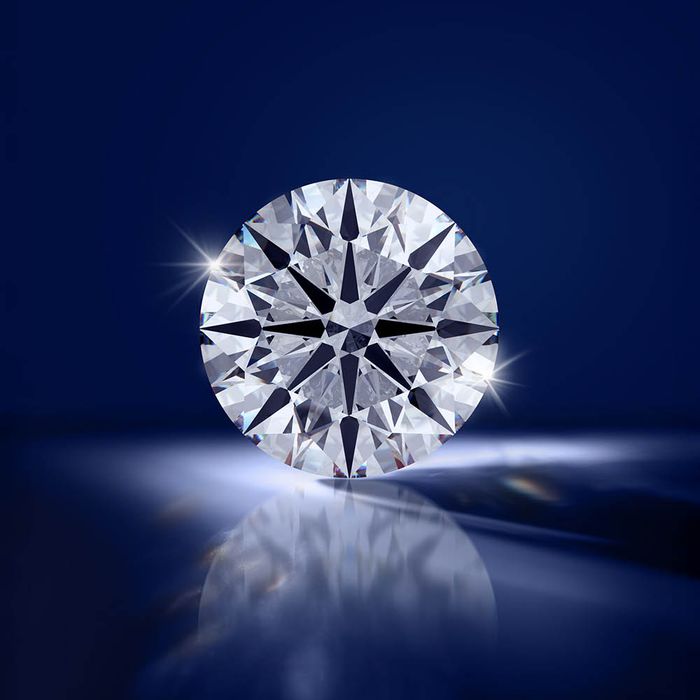
The oval looks larger, but there is a price. Brilliance generally lags slightly behind a precision-cut round. Round symmetry maximises light return; the oval's asymmetry causes some light loss and may produce the Bow-Tie shadow effect.
If your priority is maximum visual presence, the oval is the smarter choice. If you want the strongest possible fire, a round still wins. The diamond certification institutions guide explains how to read cut grades.
Budget Comparison: How Much Bigger an Oval Can Your Money Buy?
From a pricing standpoint, ovals at one carat typically cost 15 to 25 percent less than rounds of equivalent grade. So at the same budget you can choose:
Round: 1.0 carat D-VVS1 Oval: 1.2 carat D-VVS1 (similar pricing)
In other words, an oval is not just visually larger; you can also afford more actual carat weight. The complete ring price guide breaks down how each variable shifts the total.
For ideal proposal ring budget benchmarks, our proposal ring budget guide helps you anchor a realistic price band.
Which Hand Suits an Oval, and Which Suits a Round?
Hand fit suggests different ideal pairings.
Shorter or thicker fingers: Oval suits best. The elongated shape visually extends finger lines for a slimmer hand impression. The ring style hand shape guide explains how to assess your hand profile.
Long, well-proportioned fingers: Either works. With balanced finger anatomy, you can choose by aesthetic preference. Choose round for traditional elegance, oval for contemporary style.
Prominent knuckles: Oval's elongation softens the visual emphasis on knuckles, giving an overall more graceful effect.
The Modern Women Who Chose Oval
From Princess Diana to Hailey Bieber to Taylor Swift, many of the most influential modern women have chosen ovals. The choice reflects a deliberate prioritisation of maximum visual presence. Read Hollywood star wedding rings for more celebrity case studies.
For practical comparison, 30,000 in-stock diamonds at ALUXE describes how ALUXE supports oval-versus-round side-by-side viewing, while love in the ring shares refined selection tactics.
The Final Recommendation: Try Both Before Deciding
No amount of data replaces hands-on experience. Try a 1-carat oval and a 1-carat round at an ALUXE boutique on the same finger and photograph the comparison. The difference becomes vivid. The perfect engagement ring guide walks through a complete selection workflow.
If you are still considering other cuts, browse the meaning behind engagement ring styles and the top 3 engagement rings she'll say yes to for more directed shortlisting.
Begin Your Brilliant Journey
Want to dive deeper into oval and round diamond selection? Explore the GIA diamond knowledge centre to sharpen your skills, or browse the engagement ring collection for your destined style. Ready to see oval brilliance in person? Book a boutique consultation and let our specialists tailor recommendations to you.
References
Editor's Note
After writing this piece, one idea sticks with me: choosing between an oval and a round is essentially choosing a visual strategy. Want greater presence? Oval. Want maximum fire? Round. There is no absolute answer, only the one that suits you best. The key is comparing them on your own hand. The same one carat will tell you the most honest answer when worn on your own finger.
FAQ
讓你們的故事,也擁有專屬的光芒
ALUXE 陪伴過無數新人記錄他們的愛情故事。我們相信,每一段感情都值得被用心對待,也值得一枚能代表你們的戒指。 無論你們的故事是浪漫、低調、冒險或充滿驚喜,我們都能為你們找到最合適的象徵。