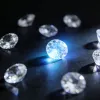
Before You Buy a Diamond Wedding Ring, You Need to Know the GIA 4C Standard
For many couples, a diamond wedding ring is the single largest jewellery purchase of their lives, yet it's also one of the most opaque. Why do two rings that look almost identical carry prices that differ by thousands of dollars?
The answer lies in the GIA's 4C grading system: Carat, Cut, Colour, and Clarity. Understanding these four factors is the single most valuable thing you can do before stepping into any jewellery boutique.
What Is the GIA and Why Does It Matter?
The Gemological Institute of America (GIA) is the world's most respected independent diamond grading authority. Its 4C system is the universal language of the diamond industry. When shopping for a diamond wedding ring, always look for a stone accompanied by a GIA or IGI certification, it provides an objective, trusted assessment of what you're actually buying.
Cut: The Most Important of the Four Cs
Many people assume carat weight matters most, but cut has the greatest impact on how beautiful a diamond actually looks. GIA grades cut from Excellent (EX) to Very Good (VG), Good, Fair, and Poor.
A well-cut diamond directs light to reflect brilliantly from its face, creating that mesmerising sparkle. A poorly cut stone can appear dull regardless of its size or colour.
Recommendation: Always prioritise Excellent or Very Good cut. It's the single best investment you can make within your budget.
If you're curious about different diamond shapes, round brilliant, pear, oval, emerald, each brings a distinct character and suits different hand shapes and personal aesthetics.
Colour: The Spectrum from D to Z
GIA grades diamond colour from D (perfectly colourless) to Z (visibly yellow). For wedding rings set in white gold or platinum, grades D-F are colourless, whilst G-J are near-colourless and virtually indistinguishable to the naked eye.
Budget tip: A G or H colour diamond set in white gold or platinum will appear just as brilliant as a D colour stone, often at 20-30% less cost.
Clarity: Most Inclusions Are Invisible to the Naked Eye
GIA clarity grades range from FL (flawless) to I3 (obvious inclusions). Most inclusions are microscopic and only visible under 10x magnification, they have no impact on a diamond's visible beauty.
VS1 or VS2 clarity offers the best value for "eye-clean" diamonds. There's rarely any need to pay a premium for FL or IF grades unless you're buying an investment-grade stone.
Carat: Weight Determines Size, But Isn't the Full Picture
One carat equals 0.2 grams. As carat weight increases, prices rise exponentially. However, a well-cut 0.90-carat diamond can actually appear larger and more brilliant than a 1.00-carat stone with a mediocre cut.
For a deeper look at how carat weight translates to visual size, the 4 Major Elements of Diamonds, Carat is an informative read before you begin comparing stones.
How to Balance the 4Cs Within Your Budget
A recommended order of priority:
1. Cut first: Choose Excellent or Very Good to ensure maximum brilliance 2. Carat second: Determine size based on her preference and your budget 3. Colour flexibly: G-H colour looks stunning in white gold or platinum settings 4. Clarity moderately: VS2 or SI1 (eye-clean) is the smart middle ground
It's also worth considering whether natural or lab-grown diamonds better fit your values and budget. Lab-grown diamonds are chemically and physically identical to natural ones, typically priced at a fraction of the cost.
Choosing the Ring Setting: The Diamond Is Only Half the Story
Once you've selected your diamond, the setting deserves equal attention. How to select the perfect wedding band covers everything from setting styles to metal choices, it's worth reading alongside this guide before making your final decision.
Further Reading
For more guidance on choosing the right ring, these articles are worth exploring: Complete Guide to Engagement and Wedding Ring Prices, Why Over 250,000 Couples Chose ALUXE, The Enchantment of Sparkling Love.
As you plan your purchase, Top 3 Dream Wedding Rings Loved by Stars, 7 Tips for Choosing the Perfect Ring, Post-Treatment of Diamonds offer practical context alongside this guide.
You may also find ALUXE 30,000 In-Stock Diamonds, Why Propose with a Diamond Ring? useful as you refine your decision.
Begin Your Brilliance
Now that you understand the 4Cs, you're ready to shop with confidence. Explore the ALUXE engagement ring collection, visit the diamond knowledge centre for further learning, or book a boutique consultation to have an expert guide you to the right diamond for your preferences and budget.
Editor's Note
The most empowered buyers I've ever met are those who walked in knowing their 4C priorities. They weren't distracted by dazzling displays or persuasive upselling, they knew exactly what they were looking for and why. You don't need to be a gemologist to buy brilliantly. You just need to understand the four numbers that matter.
References
FAQ
Make Your Proposal Unforgettable
A beautiful proposal deserves the perfect ring. Let our ALUXE consultants help you find the design, diamond and size that truly match her style, so you can focus on the moment, not the stress.Still unsure about ring style, size or budget? Book a one-on-one proposal consultation and we’ll walk you through every step, from ideas to the final sparkle on her finger.